Appointing Expert Construction Project Planning Future Builds
Find out how a GC Can Boost Efficiency and Achieve Success in Your Building Endeavors
A commercial builder is fundamental in the building sector. This expertise streamlines project management, leading to greater efficiency and successful outcomes. By managing communication among project participants and using their connections with subcontractors, they guide the complexities of construction projects. Knowledge of local codes also mitigates potential legal issues. This prompts a vital inquiry: how do these factors combine to transform the construction process?
The Role of a Commercial Builder
A commercial general contractor manages the intricate operation of building projects, guaranteeing everything runs smoothly from start to finish. They are the central point summary of communication, liaising between various stakeholders, including owners, subcontractors, and vendors. This role involves detailed planning, scheduling, and budgeting to adhere to project schedules and budgetary limits.
The contractor manages all site operations, guaranteeing adherence with building codes, safety regulations, and quality standards. They are tasked with securing necessary permits and addressing any legal requirements associated with the project. Moreover, they supervise the labor force, assigning tasks to qualified workers while watching output and productivity.
In addition to managing day-to-day work, the contractor handles any delays or delays that arise, adjusting strategies as necessary to keep the project on track. This thorough supervision is vital for minimizing risks and securing the successful completion of commercial construction projects.
Benefits of Employing a GC
Working with a general contractor offers numerous advantages that can significantly improve the efficiency and success of a building endeavor. One significant benefit is their skill in overseeing complex projects, facilitating easier communication among various project participants. This centralization reduces miscommunication and helps avoid setbacks.
Moreover, general contractors maintain strong ties with subcontractors and suppliers, guaranteeing prompt access to high-grade supplies and skilled labor. This connection can lead to lower costs and more efficient timelines.
General contractors also offer a lot of expertise concerning local construction laws and rules, which assists in avoiding legal issues and hefty fines.
Furthermore, employing a contractor enables owners to concentrate on their main business goals, instead of dealing with daily construction management tasks. In summary, utilizing a GC leads to a better structured, streamlined, and successful construction endeavor, thereby ensuring a higher return on investment.
Key Responsibilities in Project Management
Successful project execution copyrights on multiple essential roles that a general contractor has to fulfill during the entire building phase. Central to this role involves creating a precise project outline, which details the aims, schedules, and cost restrictions. The contractor collaborates with different parties, such as architects, specialized contractors, and suppliers, ensuring smooth communication and cooperation.
In addition, they manage resource distribution, controlling manpower and supplies to improve productivity. Evaluating risks is also a vital duty, as the contractor needs to recognize possible obstacles and implement strategies to mitigate them. Frequent oversight of work is vital; the contractor reviews progress made against project milestones, adjusting plans as necessary to maintain the timeline.
In addition, a general contractor ensures adherence to safety rules and construction standards, creating a safe workplace. By fulfilling these duties, they maintain a thorough approach in project oversight, driving overall success in building projects.
Methods GCs Use for Timely Project Delivery
While challenges in construction timelines are common, general contractors employ strategic planning and forward-thinking oversight to secure on-time delivery. They first establish thorough schedules that detail every stage of the project, listing key stages and due dates. By dividing the project into smaller tasks, they are able to assign resources efficiently and foresee possible setbacks.
Frequent status checks is a further crucial step; general contractors assess project status compared to the set schedule, allowing for adjustments when necessary. They also practice risk assessment, identifying potential obstacles early and creating backup strategies to lessen interruptions.
Furthermore, general contractors foster good ties with suppliers and specialized workers, guaranteeing labor and materials are accessible when required. This anticipatory strategy promotes ownership among all stakeholders, resulting in a more efficient process. Ultimately, these strategies bring about enhanced efficiency, decreasing the possibility of schedule delays and guaranteeing that projects are finished on time.
Enhancing Communication and Cooperation on Location
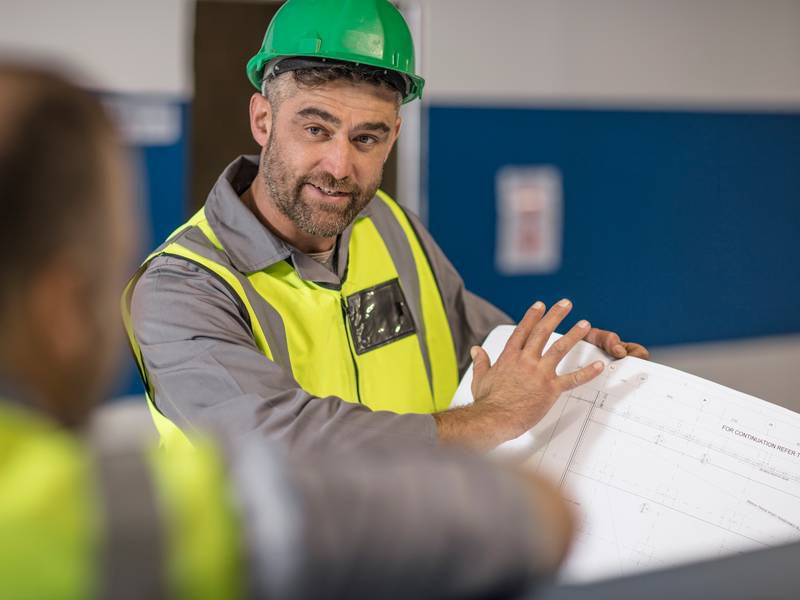
To enhance communication and cooperation during building projects, general contractors implement defined procedures that aid the movement of data among all team members. These methods usually comprise scheduled gatherings, clear channels for reporting issues, and the use of digital tools that provide live information. By establishing a framework for dialogue, contractors ensure that all stakeholders—architects, subcontractors, and workers—agree upon project goals and timelines.
In addition, encouraging clarity aids in tackling problems immediately, minimizing the chance of misunderstandings that might cause holdups. GPs also welcome input from every tier of personnel, recognizing that insights from jobsite staff can considerably improve project efficiency. By making communication a priority and collaboration, general contractors don't just simplify procedures but also improve staff spirit, in the end leading to the success of building projects. The result is a better integrated workplace where challenges are met with collective problem-solving.
Frequently Asked Questions
Which Credentials Should I Seek in a Building Contractor?
When seeking a general contractor, one should focus on credentials such as licensing, insurance, experience in relevant projects, excellent recommendations, and good communication abilities. Such considerations are key to successful project execution and total customer contentment.
How Do General Contractors Handle Project Budgeting?

General contractors manage project budgeting by calculating expenses, collecting offers from vendors, tracking expenses throughout the project, and making budget changes as required. Hickory top rated Commercial General Contractor. They guarantee financial resources are appropriate for the project, optimizing effectiveness and lessening fiscal dangers
Is a GC Able to Help With Permits and Regulations?
Absolutely, a GC is able to help with permits and regulations by navigating the complicated rules, ensuring compliance with local laws, and streamlining the submission procedure, which speeds up the job's progress and reducing possible holdups for customers.
What Is the Typical Timeline for Selecting a GC?

The typical timeline for hiring a general contractor ranges from a few weeks to several months, depending on project complexity, how available the contractor is, and how quickly the client makes decisions, to ensure proper planning and alignment with construction goals. - Hickory top rated Commercial General Contractor
- Hickory top rated Commercial General Contractor
What Methods Do General Contractors Use to Effectively Manage Subcontractors?
General contractors manage subcontractors effectively by establishing clear communication, establishing specific expectations, keeping a close eye on progress, and managing the coordination of schedules. The GC makes certain that everyone understands their responsibilities, thereby fostering collaboration to adhere to the project timeline and copyright quality standards.